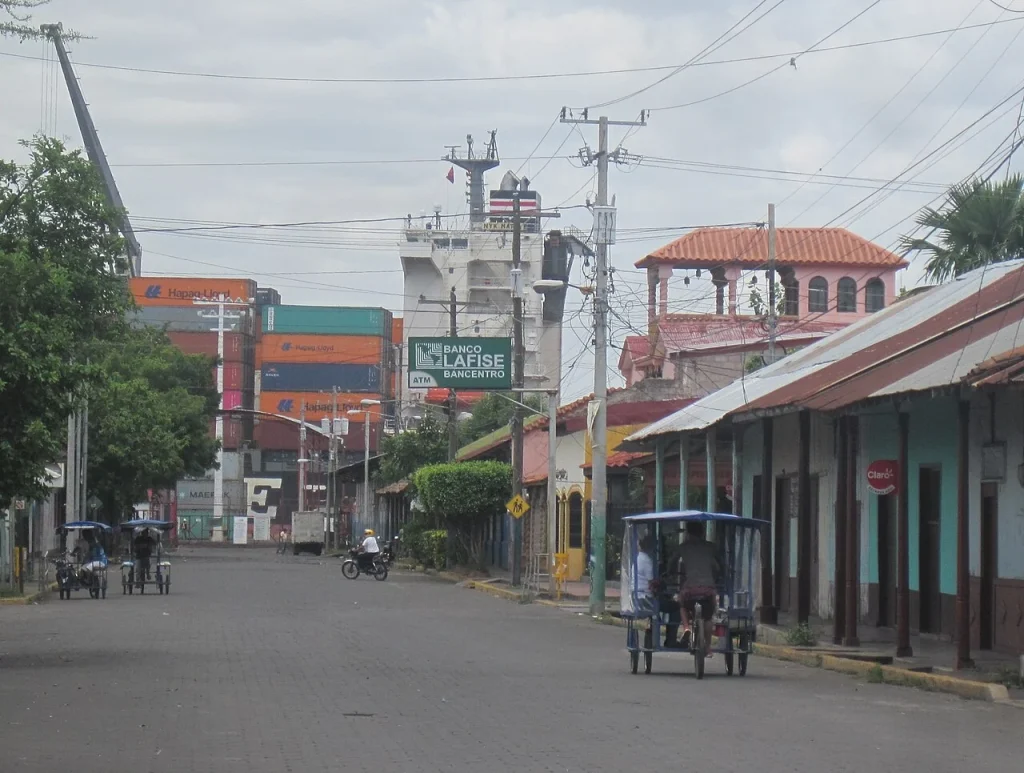
On January 1, 2026, a phased US tariff on Nicaraguan goods not originating under CAFTA-DR took effect — and it was designed to climb. The schedule starts at zero this year, steps up to 10 percent on January 1, 2027, and reaches 15 percent on January 1, 2028. Because the new duties stack on top of existing ones, including the 18 percent reciprocal tariff already in place, the effective rate on affected goods rises well beyond the headline numbers.
The measure stems from a USTR Section 301 action citing labor abuses, human-rights violations and rule-of-law concerns in Nicaragua. By targeting only goods that do not qualify as originating under the CAFTA-DR free-trade agreement, Washington has created a two-tier system: compliant regional supply chains keep their preferences, while everything else faces an escalating cost wall.
Why food traders should care
Nicaragua is not a headline supplier of frozen produce to the United States, but the mechanism is the story. The phased escalator — zero, then ten, then fifteen — gives buyers a visible two-year window to requalify supply chains, shift sourcing, or push suppliers into CAFTA-DR-compliant origin structures. It is industrial policy with a countdown clock, and the countdown is public.
What “originating under CAFTA-DR” actually means
The carve-out is the crucial detail. Goods that qualify as originating under the US-Central America-Dominican Republic free-trade agreement — meeting its rules of origin for regional content and processing — keep their preferential treatment. The escalating duties hit only the rest: goods that pass through Nicaragua without sufficient regional transformation, or that fail the agreement’s documentation tests. In practice, that splits the trade into two lanes, and the compliance lane is suddenly worth real money.
The takeaway
For exporters in Central America and the Caribbean, the message is to audit origin documentation now rather than when the 10 percent step lands in twelve months. For buyers, the Nicaragua case is a template worth studying: Washington is building a toolkit of calibrated, country-specific instruments that escalate on a published schedule. That argues for a standing tariff-monitoring function rather than a one-off audit — and for contracts that share or cap duty risk explicitly instead of leaving it buried in the price. In trade policy, as in procurement, the cheapest response is usually the earliest one.
For exporters in Central America and the Caribbean, the message is to audit origin documentation now rather than when the 10 percent step lands in twelve months. For buyers, the Nicaragua case is a template worth studying: expect more of these calibrated, escalating instruments through 2026, and build tariff scenarios into sourcing decisions before the next announcement — not after it. In trade policy, as in procurement, the cheapest response is usually the earliest one.