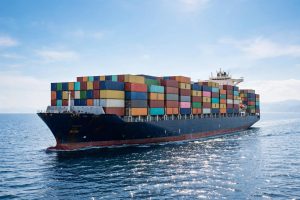
Produce exporters enter 2024 facing a logistics map redrawn at both ends of the world. In the east, Red Sea transits remain disrupted by attacks that have pushed Asia–Europe services around the Cape of Good Hope. In the west, drought has forced the Panama Canal to cut daily transits from the normal 36–38 down to just 18 — roughly half capacity — through January and February. Two chokepoints under stress at once is something the industry has rarely had to price.
The Red Sea overhang
The Cape rerouting that began in December is now the baseline assumption for Asia–Europe planning, not a temporary detour. Rates that spiked 44% on China–Mediterranean lanes in December are unlikely to retreat until carriers regain confidence in Red Sea security — and the launch of the US-led Operation Prosperity Guardian naval coalition in mid-December has yet to restore normal schedules. For frozen produce, the cost is double: higher freight per container plus the reefer energy and quality risk of two extra weeks at sea. Exporters should assume elevated Asia–Europe logistics costs through at least the first quarter.
Panama’s slow squeeze
The canal’s drought-driven capacity cut bites differently but just as really. Fewer daily transits mean longer waits, draft restrictions, and surcharges that ripple into Asia–US East Coast routings — a lane that matters for frozen produce headed to American distribution hubs. Unlike a security crisis, drought resolves on nature’s timetable; the canal authority’s transit limits are expected to persist until rainfall patterns improve, which may take months.
Budgeting for uncertainty
The exporters navigating 2024 best share a few habits: locking vessel allocations earlier than in normal years, writing freight-validity limits into every quotation, keeping safety stock closer to key customers, and staying in weekly contact with forwarders rather than assuming schedules hold. Flexibility — alternate ports, split shipments, blended origins — is worth more than a marginally cheaper rate that depends on everything going right.
Customer communication deserves equal attention. Buyers remember which suppliers warned them early and offered options, and which ones went quiet until the delay notice arrived. In a year when every importer is fighting the same logistics headwinds, transparent, frequent updates are a genuine competitive advantage — and cost nothing to provide.
The takeaway for 2024 planning: treat disruption as the forecast, not the exception. Build your budgets, contracts, and customer conversations around longer, costlier, less predictable transits — and you will be positioned to deliver while competitors are still explaining delays.