DUBAI — Gulfood 2024 wrapped up on February 23 at the Dubai World Trade Centre, closing what organizers call the largest edition in the show’s history: more than 5,500 exhibitors from 190 countries took part across the five-day event, which ran from February 19. The sheer scale of this year’s gathering reflects something structural rather than cyclical — the Gulf region’s deepening investment in food security and its growing role as a re-export hub linking producers in Asia, Europe, and the Americas with buyers across the Middle East and Africa.
A record built on a structural story
Gulf states import the overwhelming majority of the food they consume, and national food security strategies in the UAE and Saudi Arabia continue to channel investment into diversified sourcing, strategic reserves, and logistics infrastructure. That policy backdrop was visible on the show floor, where government pavilions and sovereign-backed buyers worked the aisles alongside commercial importers. For exhibitors, the appeal is twofold: direct access to high-spending Gulf retail and foodservice markets, and a gateway to the wider Middle East and East Africa through Dubai’s re-export channels.
The re-export dimension deserves emphasis. A significant share of product entering through Jebel Ali never stays in the UAE — it moves on to Saudi Arabia, the wider Gulf, and East African markets where Dubai-based traders manage distribution. For an exporter, a single capable Dubai partner can therefore open several national markets at once, which explains why so many first-time exhibitors at Gulfood prioritized finding a regional distributor over chasing individual retail listings.
Frozen produce finds a receptive audience
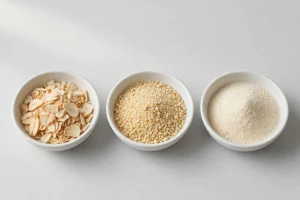
Frozen fruits and vegetables had a strong showing, and for good reason. The region’s hospitality sector — hotels, catering, and quick-service chains expanding across the Gulf — prizes frozen formats for consistency, year-round availability, and waste control in hot climates where fresh supply chains face real stress. IQF vegetables, frozen berries for the beverage and dessert trade, and dehydrated ingredients for seasoning blends all drew buyer interest, with private-label discussions notably active among regional retail groups building out their own-brand frozen ranges.
Turning show contacts into contracts
The exporters who gain most from a record Gulfood are the ones who treat the follow-up as the real event. Gulf buyers value responsiveness and documentation — clear specifications, dependable shipment scheduling through Jebel Ali and regional ports, and Halal compliance where the product requires it. With the next edition already on buyers’ calendars, suppliers who systematize their Middle East outreach now will arrive next February with relationships already warming.