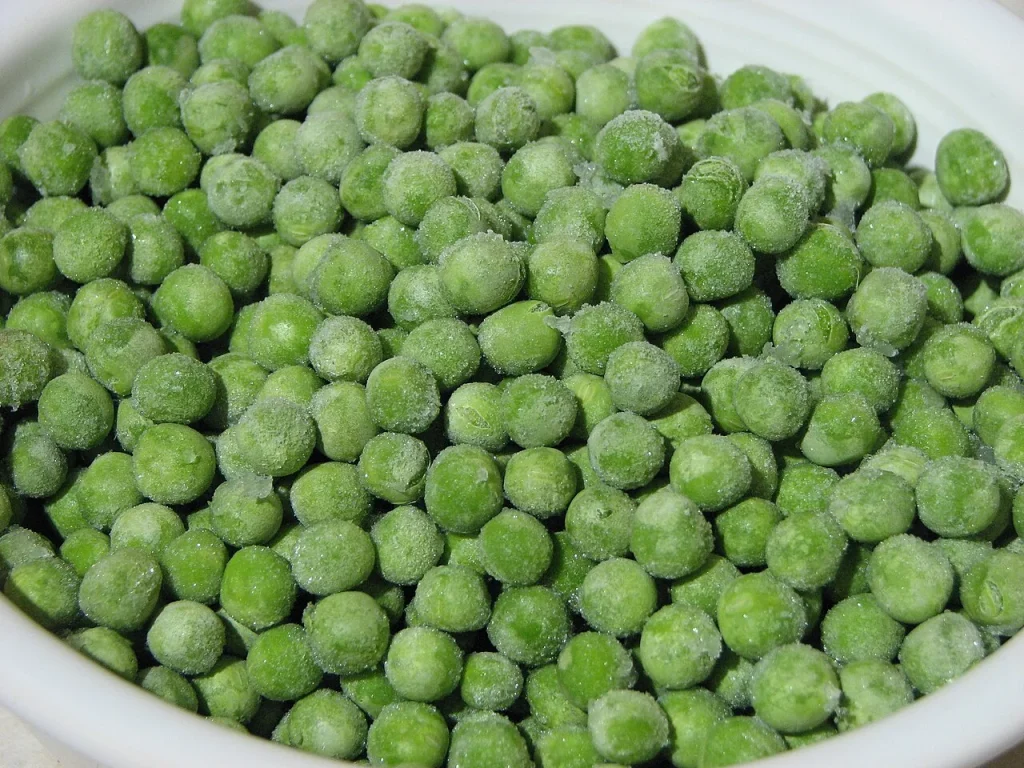
Canada’s safeguard file has reached its tribunal verdict — and the two categories got opposite answers. On September 9, the Canadian International Trade Tribunal found no basis for safeguard action on frozen vegetable imports, but concluded that canned vegetable imports caused serious injury to domestic producers, recommending tariff-rate quotas as the definitive remedy. The Department of Finance confirmed the findings, just-food reported.
The frozen vegetable clearance is the headline for exporters. It means the evidentiary bar for a safeguard — import surges, price effects, demonstrable domestic harm — was not met for the frozen category, and the file is closed there. Frozen vegetable trade with Canada continues on existing terms, a relief for suppliers who have been watching the inquiry’s scope since it opened.
It also narrows policy risk for one of Canada’s most import-dependent food categories. Frozen vegetables move through retail private-label programs and foodservice contracts planned quarters in advance; a safeguard duty would have forced painful renegotiations across those programs. With the file closed, category managers can contract forward with one fewer variable — a meaningful planning benefit in a market already juggling the canned-side uncertainty.
Canned vegetables: injury found, quotas proposed
For canned vegetables, the tribunal’s answer was yes: imports caused serious injury. The proposed remedy is tariff-rate quotas — volumes inside the quota enter at normal rates, volumes above it face higher duties — rather than the flat 10% provisional surtax imposed on June 19. That surtax, announced June 10, stays in place for up to 200 days or until final measures replace it, bridging the gap between the interim and definitive regimes. The injury finding tracks the import data behind the case: Canadian canned vegetable imports jumped 28% in 2025.
The exemption map decides the winners
The recommended quotas come with a long exemption list: Mexico, Chile, Colombia, Korea, Panama, Peru, Israel, other beneficiaries of the Canada-Israel free trade agreement, and GPT countries. The United States, notably, remains in scope — a detail that will concentrate minds in cross-border supply chains. For exporters in exempt origins, the ruling is close to a green light; for everyone else, quota administration — allocation, fill rates, shipment timing — becomes the new commercial discipline.
The buyer takeaway: Canada’s canned vegetable market is entering a managed-trade phase. Map origins against the exemption list, model quota economics rather than flat-duty math, and expect the 200-day surtax window to give way to quotas. Frozen vegetable buyers, meanwhile, can plan on continuity — that half of the file is done.