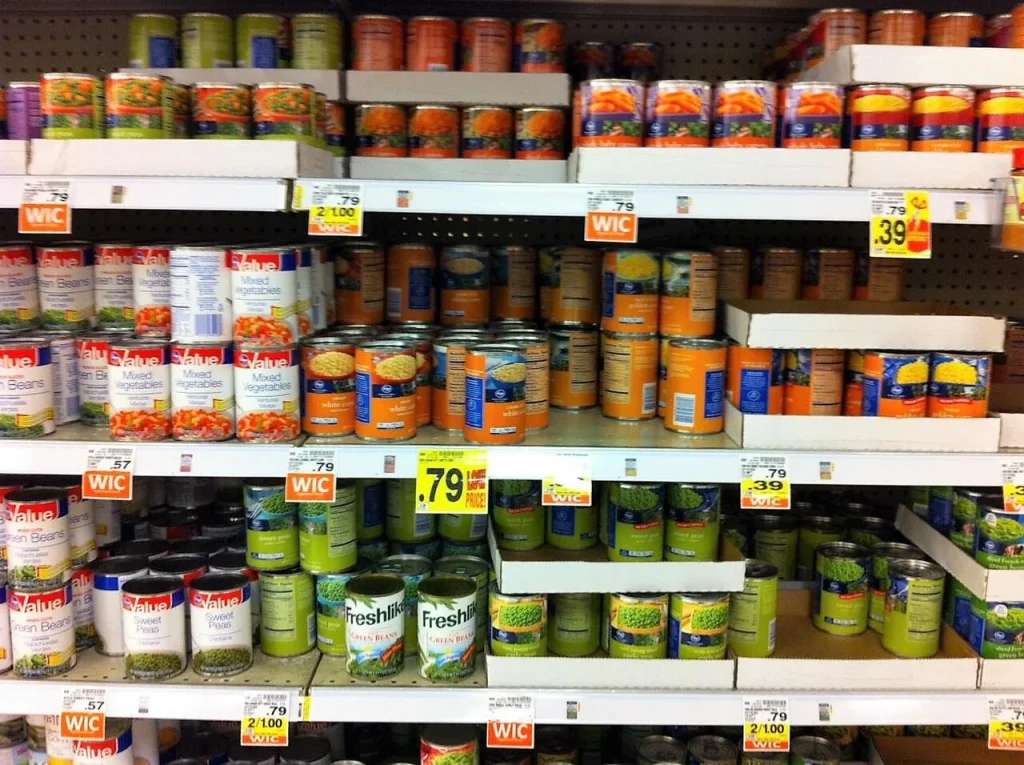
On March 13, Canada’s Minister of Finance, François-Philippe Champagne, directed the Canadian International Trade Tribunal (CITT) to examine whether global imports of frozen and canned vegetables are causing — or threatening to cause — serious injury to Canadian producers. The 180-day inquiry puts one of the country’s staple import categories under formal trade-remedy scrutiny.
The referral is significant because it invokes a safeguard-style mechanism rather than a conventional anti-dumping case. Instead of targeting a single country’s pricing, the Tribunal must assess imports from all sources collectively and decide whether the overall inflow is injuring domestic vegetable processors and growers.
How the inquiry will run
The Tribunal has a tight timetable. Interested parties must file written submissions by April 2, a public hearing is scheduled for June 15 in Ottawa, and the final report is due September 9. That schedule gives exporters, importers, retailers, and producer groups only weeks to assemble evidence on volumes, pricing, and market effects.
Safeguard inquiries of this kind can lead to recommendations for temporary import restrictions or tariff measures, though the Tribunal’s role is advisory — it reports findings and options to the government, which then decides whether to act. For foreign suppliers, the critical window is the submissions phase: arguments not placed on the record early rarely influence the outcome.
The June 15 public hearing in Ottawa will be the process’s most visible moment, giving exporters, importers, and domestic producers a platform to argue their positions in person. But the written record matters more: with submissions due April 2, parties have barely a month from the March 13 referral to compile trade data, pricing evidence, and economic analysis. Late or thin filings risk leaving the Tribunal with only the domestic industry’s narrative.
Affordability enters the equation
Notably, the Minister’s direction requires the inquiry to weigh the effects on food affordability and food security for Canadian households. That instruction broadens the analysis beyond producer injury alone and signals that consumer prices will be part of the calculus — a meaningful caveat for anyone assuming the process points in only one direction.
Frozen and canned vegetables are core to household food budgets, and any remedy that raises shelf prices would land directly on consumers. The affordability mandate gives importers and retailers a substantive basis to argue that restricting supply would harm the very households the policy is meant to protect.
The takeaway: exporters shipping frozen or canned vegetables to Canada should treat the April 2 submissions deadline as urgent. Monitor the CITT docket, coordinate with Canadian customers on evidence, and prepare contingency plans in case the September report recommends measures.