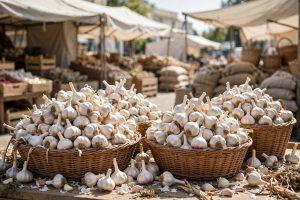
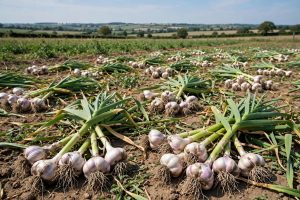
On December 17, 2024, US Senators introduced bill S.5564 — dubbed the SEWAGE GARLIC Imports Tariff Act — proposing a duty of $100 per kilogram on garlic imported from China, citing allegations that Chinese garlic is grown with untreated sewage irrigation. The figure is eye-catching by design: at $100,000 per metric ton, the proposed duty would price the targeted imports out of the American market entirely.
A bill built for headlines
The legislation’s name leaves little to subtlety, and its chances of passage in its current form are uncertain — most trade bills introduced in a lame-duck session face long odds. But the proposal did not emerge in a vacuum. It follows years of US trade scrutiny of Chinese garlic, and it lands in a political climate where tariffs on Chinese goods enjoy rare bipartisan appeal. Even if S.5564 never reaches a vote, it signals the direction of travel: lawmakers are willing to put specific food commodities — not just steel and semiconductors — at the center of trade enforcement debates. Garlic’s appearance on that stage is a reminder that no category is too small to become a symbol — all it takes is a compelling narrative and a receptive political moment.
What garlic buyers should actually do
For American importers, the prudent response is scenario planning rather than panic. First, map exposure: know what share of garlic volume — fresh, dehydrated, or powdered — traces to Chinese origin, directly or through blended supply. Second, qualify alternatives now, not after a duty lands; origin diversification takes seasons, not weeks, when food-safety audits and specification matching are involved. Third, tighten documentation: in an environment where irrigation practices and growing conditions become political talking points, suppliers who can evidence good agricultural practices with auditable records hold a commercial advantage regardless of how the bill fares.
The bigger picture
The SEWAGE GARLIC Act is best read as a symptom. Food safety narratives are merging with trade policy, and commodities once considered too humble for geopolitics are becoming instruments of it. Garlic buyers who treat this as a one-off headline risk being surprised by the next one — whether it targets another origin or another product. The durable defense is the same one that serves every other disruption: diversified origins, documented practices, and supply contracts flexible enough to reroute when politics moves faster than harvests. Watch the bill’s progress, but build the supply chain as if it will pass: that is the only strategy that works whether it does or not.