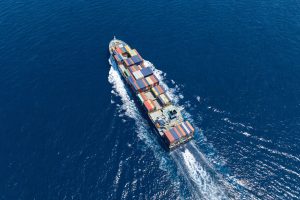
The Panama Canal entered July 2025 operating at full water capacity, with Gatun Lake at 86.6 feet and the authority maintaining a 50-foot draught straight through the dry season — a marked recovery from the drought restrictions that choked transits in early 2024. For refrigerated cargo moving between Asia and the Americas, the water is back; the traffic, however, has not fully returned.
Capacity restored, transits still catching up
June averaged 31.4 transits per day, still about 14% below June 2022, the last pre-drought benchmark. The gap is not only about weather. Neopanamax containership traffic on the Asia–US East Coast lane has softened as tariff disruption reshapes sourcing decisions, pulling volume off the route even as the canal stands ready to handle it. In other words, the locks can now take the ships, but some of the ships are sailing different trades.
What full draught means for reefer schedules
A sustained 50-foot draught removes the draft penalties and load restrictions that complicated stowage planning during the drought, when carriers had to choose between full loads and canal passage. For frozen produce, which moves almost entirely in refrigerated containers on fixed weekly strings, reliability of transit slots matters more than raw capacity: a missed sailing can mean a missed retail promotion window. The return to normal operating conditions gives carriers room to restore buffer in their schedules and gives shippers fewer reasons to pay premiums for alternative routings.
The tariff shadow over the recovery
The softer neopanamax picture is a reminder that infrastructure recovery and demand recovery are two different things. As long as US–China tariff uncertainty keeps rerouting Asia–East Coast flows, canal utilization will reflect trade policy as much as hydrology. Frozen food exporters should read the canal’s rebound as lower logistics risk rather than lower freight rates: the waterway constraint is gone, but the commercial volatility that replaced it has not.
Reefer reliability is the real dividend
The drought era taught frozen shippers an expensive lesson about schedule integrity. When transit slots were rationed, carriers skipped canal passages, added weeks via alternate routings, or rolled reefer bookings in favor of higher-paying dry cargo — any of which can break a frozen program’s delivery rhythm. Full water capacity restores the buffer that lets carriers absorb minor delays without cascading them into missed retail windows. For buyers running just-in-time freezer inventory, that reliability is worth more than a marginal rate saving: a container of IQF vegetables that arrives on the promised week keeps a production line running, while one that arrives three weeks late is a crisis regardless of what the freight cost.
Buyer and supplier takeaway: build East Coast programs on the assumption of normal canal operations, but keep routing flexibility in contracts. The drought surcharge era is over; the tariff-disruption era is not.