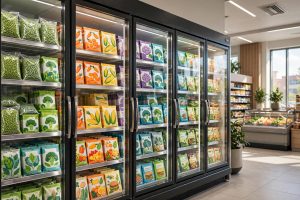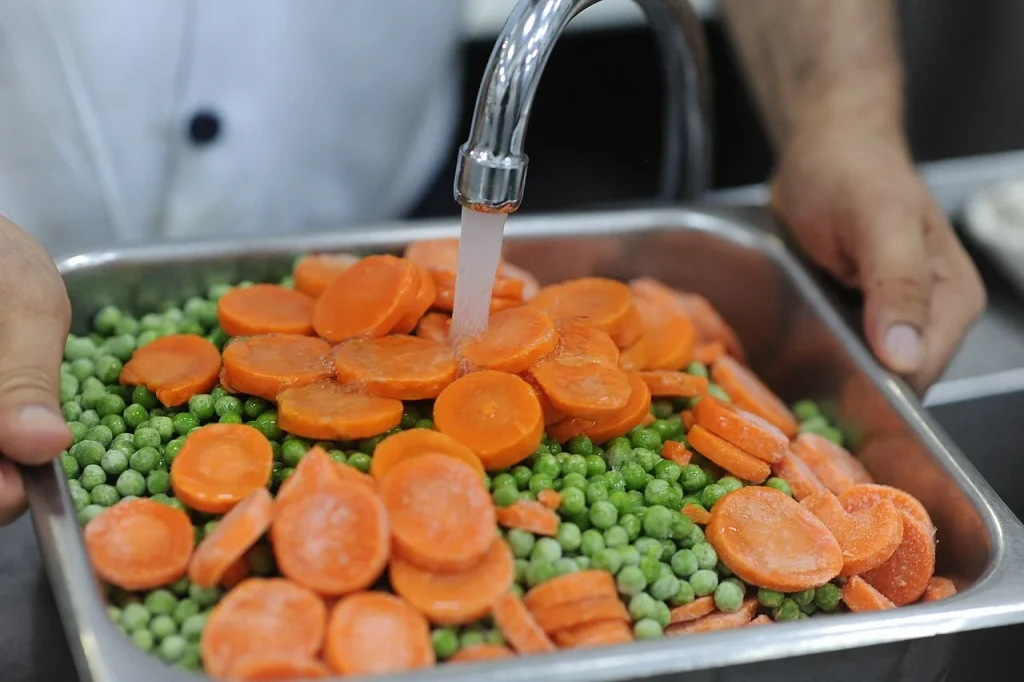
South Africa’s trade regulator has sided with shoppers over producers. The International Trade Administration Commission (ITAC) has recommended keeping the existing 10% duty on frozen vegetable imports, rejecting an application for higher protection, IOL reported on July 16. The decision closes a review that put the country’s frozen vegetable trade policy under the microscope — and its findings undercut the core of the protection case.
ITAC’s examination of the 2018–2022 period traced the domestic industry’s difficulties to a homegrown cause: electricity supply constraints and load shedding. Rolling blackouts disrupted processing schedules, cold chains and production planning — a structural handicap that no tariff can fix. Import competition, the supposed culprit, did not fit the evidence. Imports actually declined over the review period, while local producers held on to market share through a straightforward price advantage over landed imports.
Consumers would have footed the bill
The commission was blunt about who would bear the cost of a higher duty: consumers, and disproportionately lower-income households, for whom frozen vegetables are an affordable nutrition staple. Raising the tariff wall would have lifted retail prices without addressing the electricity problems dragging down domestic output — a transfer from shoppers to producers with no competitiveness gain attached.
It is a reminder that trade remedies are judged on injury caused by imports, not on hardship in general. Hardship caused by failing infrastructure calls for energy policy, not import taxes, and ITAC’s reasoning follows that line precisely.
The ruling also sets a useful precedent for how regulators weigh consumer welfare against producer protection. ITAC explicitly framed the decision around household impact — a signal that future applications will face close scrutiny on the question of who actually pays for protection. For trade-policy watchers, the review is a textbook example of the injury-causation test working as designed: hardship alone does not justify a tariff; the hardship must be shown to come from imports.
What happens next
ITAC is not walking away from the file; it says it will keep monitoring the market. But the signal to importers is clear: the 10% duty stands, no additional barrier is coming, and South Africa’s frozen vegetable import channel remains open on current terms. For exporters, that stability matters — the review could have ended very differently. For domestic processors, the ruling is an implicit nudge: the path back to growth runs through reliable power and productivity, not higher walls.
The supplier takeaway: South Africa remains a workable destination for frozen vegetable programs at a known 10% duty, with regulatory risk now lower than at any point during the review. Near-term planning can proceed on the current tariff footing — while keeping an eye on ITAC’s continued monitoring, since the file stays formally open.