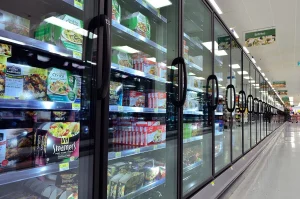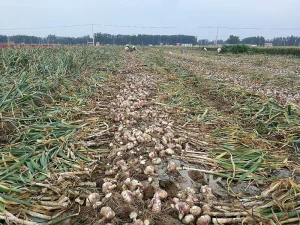
Korea’s appetite for frozen fruit shows no sign of cooling. Data released April 14 by the Korea Customs Service puts 2025 frozen fruit imports at 81,075 tons — an all-time high and nearly double the 46,530 tons recorded in 2021. The climb has been relentless: 52,191 tons in 2022, 63,640 in 2023, and 79,436 in 2024.
What makes the trajectory striking is its steadiness. Each year has set a new record, suggesting a structural shift in how Korean businesses and households buy fruit rather than a one-off spike driven by a poor domestic harvest.
The price math behind the shift
Economics explain much of the momentum. Frozen strawberries can cost as little as one-quarter the price of their fresh equivalents, while frozen Shine Muscat grapes run at roughly half the fresh price. For businesses that process fruit rather than present it whole, the savings are difficult to ignore.
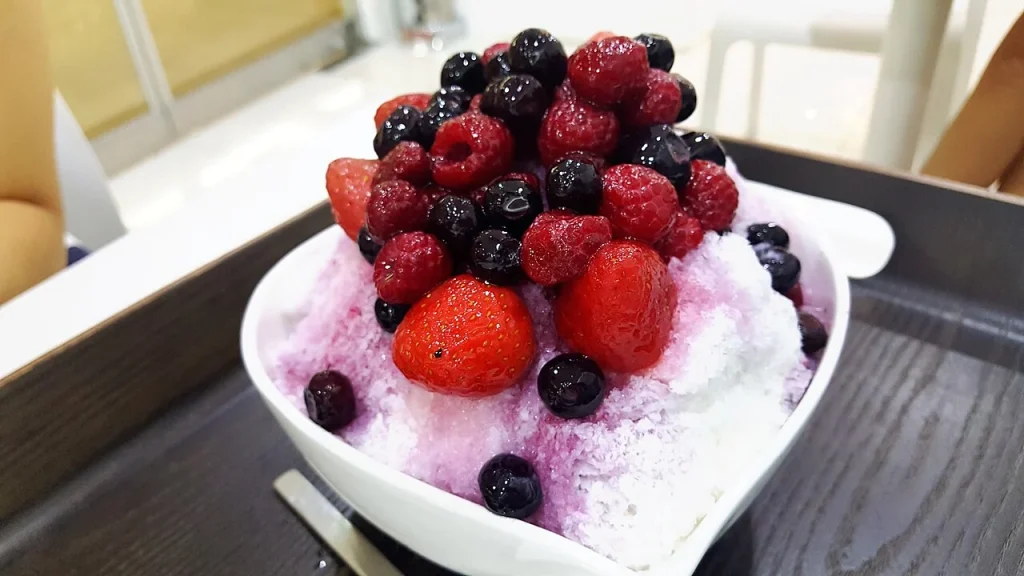
Two customer groups are leading the conversion. Single-person households — a fast-growing demographic in Korea — favor the portion flexibility and zero waste of frozen packs. Dessert cafés, meanwhile, have been reformulating menus around frozen fruit for smoothies, bingsu toppings, and baked fillings, locking in year-round supply at predictable cost.
The year-by-year figures show demand broadening rather than peaking. After the jump from 46,530 tons in 2021 to 52,191 in 2022, growth accelerated through 63,640 tons in 2023 and 79,436 in 2024 before setting the 2025 record. Each step up has held, indicating that new buyers entering the category stay in it — a pattern consistent with foodservice reformulation, where menu changes are sticky.
Quality catches up
Price alone would not sustain a five-year doubling if the product disappointed. Advances in cold-chain logistics and freezing technology have narrowed the taste and texture gap between frozen and fresh fruit, removing the quality objection that once held foodservice buyers back.
That convergence matters for exporters. Korea is no longer a market where frozen fruit competes only on price — it now competes on reliability, consistency, and food-safety documentation, criteria where established IQF producers hold an edge. For Korean importers, specifications can increasingly be written around consistent brix, color, and cut size rather than seasonal fresh-fruit variability — a procurement advantage that compounds the price edge.
The takeaway: Korea’s foodservice and retail channels are structurally shifting toward frozen fruit. Exporters with IQF strawberries, grapes, and berry lines should prioritize Korean dessert-café distributors and single-serve retail formats — the segments driving the record volumes.